


I usually open a weather app for one simple reason: I want to know whether I need a coat, an umbrella, or a little extra patience before leaving home. What The Forecast takes that ordinary task and gives it a deliberately rude, comic personality. It is a free weather app from Affiliated Apps LLC, but its real appeal is not just the forecast itself. The point is the attitude wrapped around it.
My overall view is straightforward: this is a fun choice if standard weather screens feel dull and you enjoy blunt, mature humor. It is less suitable if you want a quiet, highly technical weather tool that stays out of the way. The app works best as a quick daily check with a personality, rather than as the only weather source for serious travel, outdoor work, or safety decisions.
What makes the forecast experience different
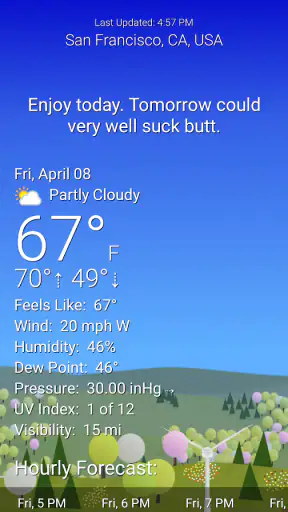
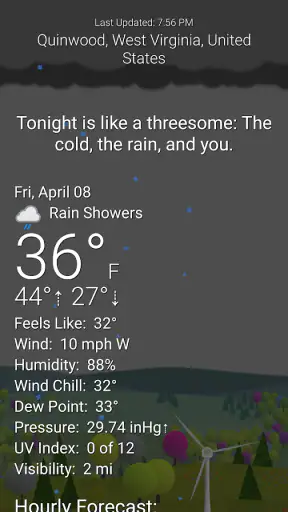
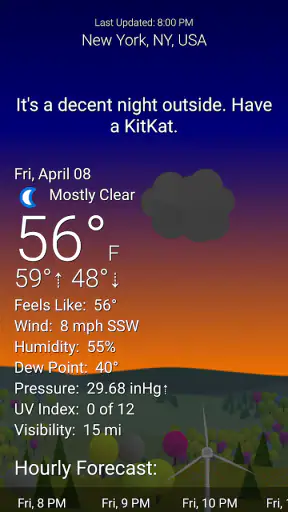
The first thing I noticed is that the app does not treat weather as a sterile collection of temperatures and symbols. Its store summary openly asks whether it might be the most obnoxious weather app ever, and that tone carries through the experience. Instead of presenting every update like a formal bulletin, it uses irreverent language to make routine conditions feel more memorable.
That approach sounds small, but it changes how often I want to check the app. A conventional forecast can become background noise after a while. Here, the commentary gives me a reason to look again, especially when the weather is unpleasant or unexpectedly strange. Rain is no longer just a blue icon; it becomes part of a running joke. A mild day can also feel more entertaining when the wording refuses to sound like a television weather report.
The humor is not a decorative extra that I can completely separate from the forecast. It is the identity of the product. If I enjoy sarcastic language, that makes the app more inviting than a plain utility. If I dislike profanity or exaggerated commentary, the same design choice becomes the biggest obstacle. The mature rating matters here: this is not an app I would casually hand to a child or display during a formal meeting without considering the language that may appear.
In practical use, I would open it before commuting, walking the dog, planning an errand, or deciding whether outdoor clothes make sense. The quick glance is where it feels strongest. I can get the basic answer I need and enjoy a little personality at the same time. It does not ask me to turn weather checking into a research project.
A useful companion for ordinary decisions
Imagine a weekday morning when I have a short walk to a train station. I am not trying to analyze a storm system; I simply need to know if a light jacket will be enough and whether carrying an umbrella is sensible. This is the kind of situation where the app earns its place. The forecast is easy to approach, and the entertaining wording makes the routine feel less mechanical.
It is also useful when I am checking several times during the day. Weather changes can make repeated visits boring in a normal app, while the personality here gives each check a little more character. I would not call that a major technical innovation, but it is a meaningful usability advantage for people who respond better to humor than to rows of identical icons.
Another less obvious benefit is social. The app can turn a forecast into something worth sharing verbally with friends or family. A normal weather update often ends with “it will rain later.” This one can become a quick joke about the day’s conditions. That makes it particularly suitable for households or friend groups where playful language is welcome.
Where it compares well with ordinary weather apps
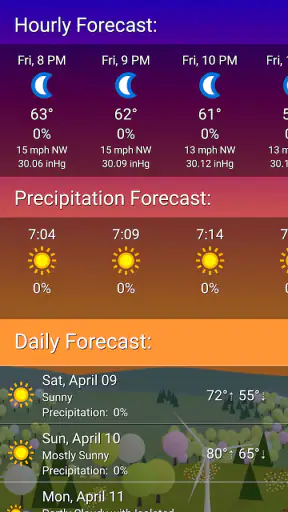
Most mainstream weather apps compete through dense information, polished maps, alerts, and a serious presentation. That is useful when I need detail, but it can also make a simple question feel overloaded. What The Forecast takes the opposite route: it makes the forecast more approachable by giving it a strong voice.
Compared with a phone’s built-in weather screen, this app feels more distinctive and less interchangeable. The default option usually wins for convenience because it is already installed and familiar. This one wins when I want the act of checking the weather to be entertaining. The trade-off is that the humor may demand more attention than a neutral icon and a temperature.
Compared with specialist weather tools, the difference is even clearer. A technical app is the better choice when I need detailed radar interpretation, careful planning for a hike, or a professional-looking display. What The Forecast is better at is making everyday weather information pleasant to revisit. I see it as a personality-led alternative, not a replacement for every kind of meteorological tool.
The humor is also the main limitation
The strongest feature can become the most frustrating one. Humor is subjective, and the app’s mature tone will not suit everyone. Even if I like sarcasm, there are moments when I simply want a calm answer. A joke that feels funny on a lazy morning may feel irritating when I am rushing to work or trying to make a serious outdoor decision.
I would also be careful about using it around children, colleagues, or anyone who may find strong language uncomfortable. The mature age classification is not a minor label to ignore; it tells me that the app’s voice is central enough to affect where and when I use it. This is a personal weather companion, not necessarily a universally appropriate screen.
There is another practical trade-off. A humorous presentation can make the forecast easier to remember, but it can also distract from the information itself. When conditions are complicated, I prefer to focus on timing, temperature changes, and the likelihood of precipitation rather than interpret a punchline. For important plans, I would cross-check with a more conventional source instead of allowing the app’s personality to make the decision for me.
That does not mean the app is unreliable; it means presentation and purpose should not be confused. A funny forecast is still a forecast, but comedy should never be treated as a substitute for careful judgment. For severe conditions, travel disruption, or safety-sensitive work, I would use an authoritative weather service alongside it.
Small habits that make it more useful
My first recommendation is to use it as a morning decision tool rather than leaving it open constantly. Check the day before getting dressed, then check again before a planned outdoor activity. That keeps the app’s humor enjoyable and prevents the novelty from becoming visual clutter.
Second, I would pair it with a more formal source when the weather affects money, safety, or a fixed schedule. For example, if I were organizing an outdoor event, I would use this app for the quick human-friendly overview but verify the details elsewhere. The best workflow is not choosing between fun and caution; it is using each tool for what it does well.
Third, I would consider the audience before showing the screen or repeating its wording. The app’s jokes may be perfect for a group of adult friends and completely wrong for a family tablet. That simple bit of awareness avoids the most predictable disappointment with this product.
Finally, I would judge it over several ordinary weather checks rather than one opening. The appeal depends on whether the tone continues to make routine forecasts more enjoyable. If I find myself ignoring the comments and only reading the numbers, a standard weather app may be a better fit. If the commentary makes me look forward to checking conditions, then the app is doing exactly what it set out to do.
Who should install it
I would recommend it to adults who want a weather app with a clear personality, enjoy irreverent humor, and mainly need quick information for everyday plans. It is especially appealing if standard weather apps feel lifeless or if you like sharing funny observations about bad weather with friends.
It also suits users who want a free starting point. The app is listed as free, with optional in-app purchases ranging from around two dollars to around twenty dollars per item. That means I can try the basic experience without making an upfront commitment, while still keeping in mind that some extras may involve spending.
The app has reached over five million installs, carries a 4.0 average from around fourteen thousand ratings, and has roughly six thousand reviews. Those figures suggest that its unusual tone has found a substantial audience, but they do not remove the personal nature of the decision. A large user base cannot guarantee that the humor will match my taste.
I would skip it if I want a neutral interface, dislike mature jokes, or need an all-purpose professional weather workstation. I would also avoid making it my sole tool for high-stakes forecasts. Someone who wants maps, deep analysis, or a formal presentation will probably feel more comfortable with a dedicated weather service.
Device support, cost, and current fit
On Android, the listed minimum operating system is version eight, so it remains accessible to users who are not running the newest phone software. The current version is 3.95.4.578. That is useful context for anyone deciding whether an older device can handle the app before downloading it.
The free entry point makes experimentation easy, but I would still look carefully at any optional purchase before confirming it. The range from around two dollars to around twenty dollars per item is broad enough that users should know which extras they actually want rather than assuming every part of the experience is included.
Because this is a weather app, I would also think about how it fits into my existing habits. If I already rely on a trusted weather service for alerts and detailed planning, this can work as the more entertaining daily companion. If I want one app to handle every weather-related need, its personality-first design may feel too narrow.
The release date of March thirty-first, twenty seventeen, also places it among established apps rather than brand-new experiments. I see that as a reason to judge it by the quality and consistency of its current experience, not by the novelty of its concept. Its continued presence and substantial install base show that the central idea has lasting appeal.
My final recommendation
What The Forecast succeeds because it understands that a utility does not have to sound like a utility. It gives routine weather checks a recognizable voice, and for the right person that makes a small daily task more enjoyable. I like it most when I need a quick answer and want a laugh along with it.
My recommendation is therefore specific: install it if you are an adult who welcomes blunt humor and wants a more entertaining alternative to a standard weather screen. Keep a conventional source nearby for serious planning, detailed analysis, and safety decisions. The best way to use this app is as a funny everyday forecast companion, not as a complete replacement for every weather tool.
That limitation is also what keeps the review honest. The app is not trying to please everyone, and it should not. Its mature, obnoxious personality is either the reason to keep opening it or the reason to remove it. For me, that clear identity is a strength. It makes the app easy to remember, easy to recommend to the right friend, and easy to reject when a calmer forecast is what the moment calls for.


